Exploring the realm of storm damaged vinyl siding repair, this introduction sets the stage for a detailed discussion on the topic. From defining storm damage to exploring repair methods, this guide aims to provide valuable insights for homeowners facing vinyl siding issues.
As we delve deeper into the world of storm damaged vinyl siding repair, readers will gain a deeper understanding of the importance of timely repairs and the various tools needed for assessment and repair.
Overview of Storm Damaged Vinyl Siding Repair
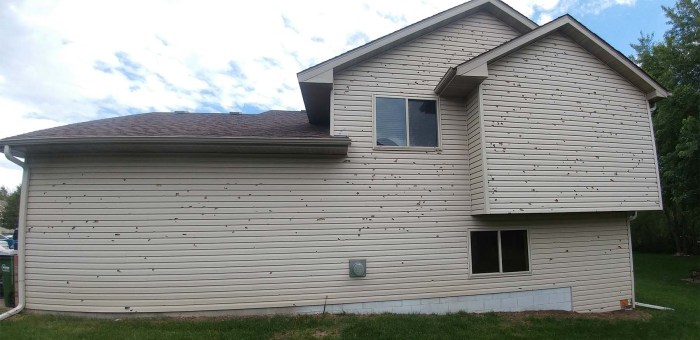
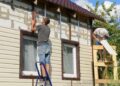
When a storm hits, it can cause significant damage to vinyl siding on homes and buildings. This damage can range from minor cracks and dents to more severe issues like large holes or missing panels.
Timely repairs are crucial when it comes to storm damaged vinyl siding. Ignoring the damage can lead to further deterioration of the siding, potentially causing leaks, moisture damage, and even structural issues in the long run.
Common Types of Damage Seen on Vinyl Siding After a Storm
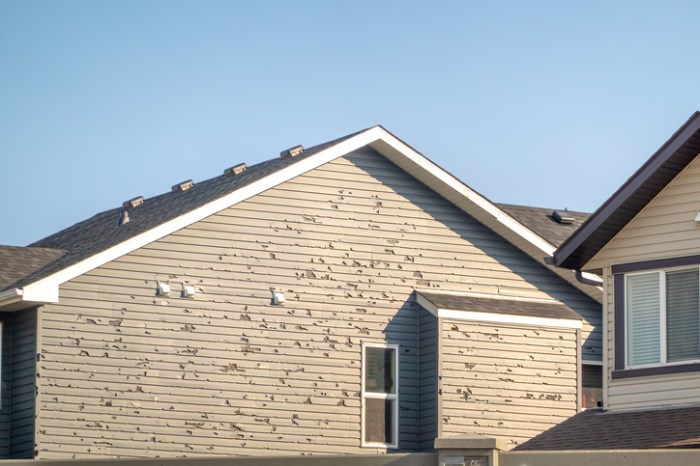
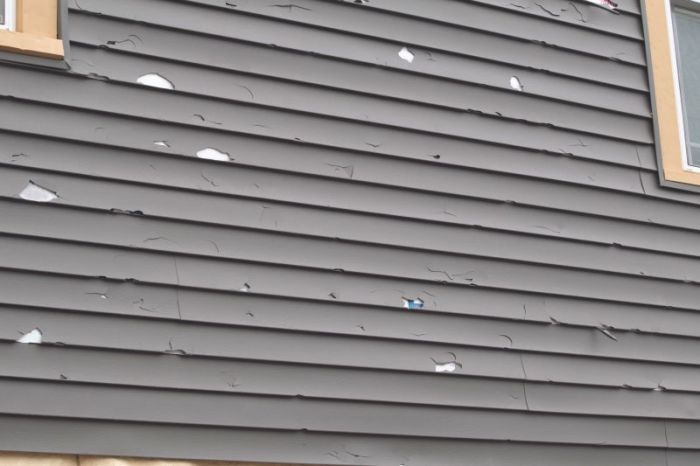
- Cracks: Storms can cause vinyl siding to crack, especially under the impact of hail or flying debris.
- Dents: High winds and hail can also create dents in vinyl siding, affecting its appearance and functionality.
- Holes: In severe cases, storms can puncture vinyl siding, leaving holes that need to be repaired promptly to prevent water infiltration.
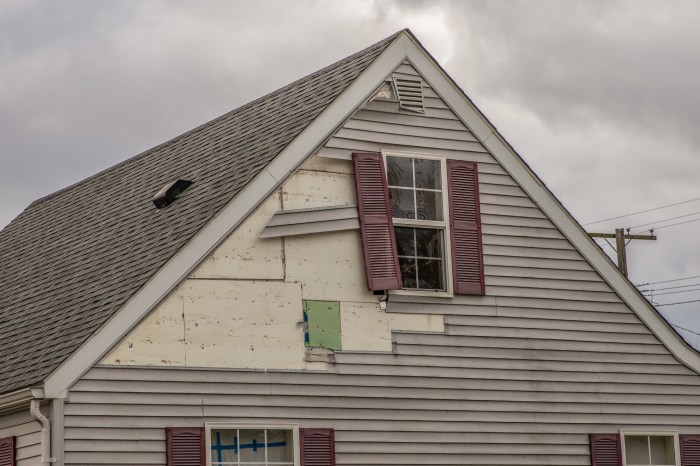
- Loose Panels: Strong winds can loosen vinyl siding panels, making them vulnerable to further damage or detachment.
Inspection and Assessment
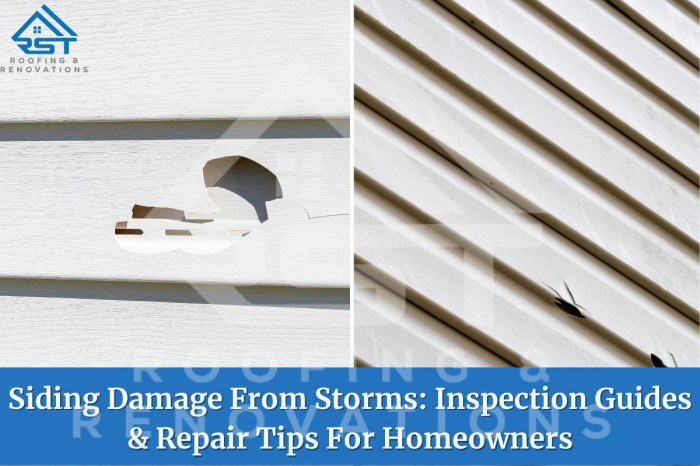
When it comes to inspecting storm-damaged vinyl siding, it is crucial to follow a systematic approach to accurately assess the extent of the damage and determine the necessary repairs. This process involves a thorough examination of the affected areas and the use of specific tools to aid in the assessment.
Steps for Inspecting Storm-Damaged Vinyl Siding
- Begin by visually inspecting the exterior of the property to identify any visible signs of damage to the vinyl siding, such as cracks, holes, or warping.
- Check for any loose or missing siding panels that may have been dislodged by the storm.
- Inspect the corners and seams of the siding for any separation or gaps that could indicate damage.
- Examine the siding for signs of water damage, such as mold, mildew, or discoloration, which may indicate underlying issues.
Assessing the Extent of the Damage
- Measure the size of the damaged areas to determine the scope of the repairs needed.
- Assess the structural integrity of the siding to determine if it can be repaired or if replacement is necessary.
- Check for any underlying damage to the wall sheathing or insulation that may have been caused by the storm.
Tools and Equipment Needed for Inspection
- A ladder to access higher areas of the siding for inspection.
- A flashlight to help illuminate dark or hidden areas for a more thorough examination.
- A tape measure to accurately measure the size of the damaged sections.
- A moisture meter to detect any water damage that may not be visible to the naked eye.
Repair Methods and Materials
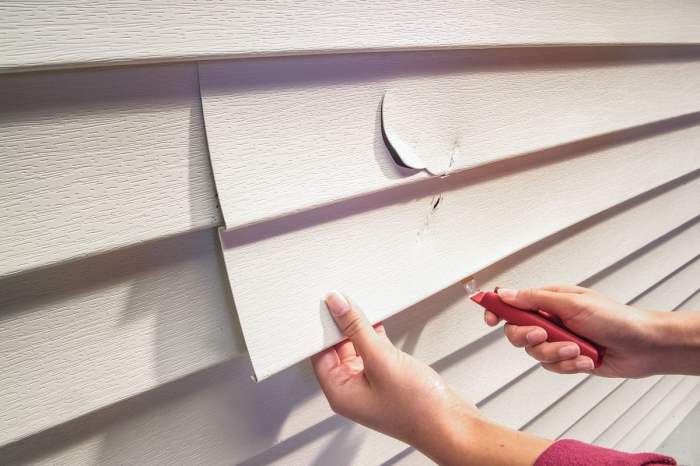
When it comes to repairing storm-damaged vinyl siding, there are various methods and materials that can be used to ensure a seamless and durable repair.
Different Repair Methods
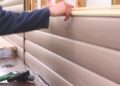
- Replacement: One common repair method is to replace the damaged vinyl siding panels with new ones. This is often necessary for severe damage that cannot be fixed through other methods.
- Patching: For minor damage, patching can be a cost-effective solution. Small holes or cracks can be filled with caulk or putty to restore the siding's integrity.
- Painting: In some cases, painting over small areas of damage can help to blend the repair with the rest of the siding. This method is best for minor cosmetic issues.
Materials Used in Repairs
- Vinyl siding panels: The most common material used for repairs is vinyl siding panels, which come in a variety of colors and textures to match existing siding.
- Caulk or putty: These materials are used for patching small holes or cracks in the siding to prevent further damage.
- Paint: If painting is chosen as a repair method, it's important to use a high-quality exterior paint that is designed for vinyl surfaces.
Importance of Matching Colors and Textures
Matching colors and textures is crucial for a seamless repair of storm-damaged vinyl siding. Failing to do so can result in a patchy or mismatched appearance that detracts from the overall aesthetics of the home. It's recommended to closely match the color and texture of the existing siding to ensure a professional-looking repair.
DIY vs. Professional Repair
When it comes to repairing storm-damaged vinyl siding, homeowners may often wonder whether they should tackle the repairs themselves or hire a professional. Both DIY and professional repair options have their own set of advantages and disadvantages, depending on the extent of the damage and the homeowner's skill level.
Advantages and Disadvantages of DIY Repairs
- Advantages:
- Cost-effective as you save on labor costs.
- You have full control over the repair process.
- You can work on your own schedule.
- Disadvantages:
- Requires knowledge of proper repair techniques.
- Might take longer to complete the repairs.
- Quality of work may not be as professional.
When to Hire a Professional for the Repair Job
- If the damage is extensive and requires specialized tools or expertise.
- When dealing with high areas that require ladders or scaffolding for safety.
- If you are unsure of your ability to properly repair the siding.
Tips for Homeowners Considering DIY Repairs on Storm-Damaged Vinyl Siding
- Start by assessing the extent of the damage to determine if it's within your skill level.
- Research and gather the necessary tools and materials before starting the repair.
- Watch tutorial videos or read guides to familiarize yourself with the repair process.
- Work slowly and carefully to avoid causing further damage to the siding.
- Consider seeking help from a professional if you encounter any challenges during the repair.
Preventive Measures
Protecting your vinyl siding from storm damage is crucial in maintaining the exterior of your home. By implementing preventive measures and regular maintenance practices, you can extend the lifespan of your vinyl siding and minimize the need for repairs.
Protective Coating
Applying a protective coating to your vinyl siding can help shield it from the elements, including storm damage. These coatings can add an extra layer of protection and increase the durability of your siding.
Trim Trees and Shrubs
Trimming trees and shrubs near your home can prevent branches from falling onto your vinyl siding during strong winds or storms. Regularly inspect your landscape and remove any potential hazards that could damage your siding.
Secure Loose Panels
Regularly check for loose or damaged vinyl siding panels and secure them properly. Loose panels can easily be torn off during a storm, leading to further damage. Ensure that all panels are securely attached to prevent any issues.
Regular Cleaning and Inspection
Regularly clean your vinyl siding to remove dirt, debris, and mold that can weaken its structure. Inspect your siding for any signs of damage and address them promptly to prevent further issues. Cleaning and maintenance can help prolong the lifespan of your siding.
Prepare for Storm Season
Before the storm season arrives, take proactive measures to prepare your home's exterior. Trim overhanging branches, secure outdoor furniture, and clean gutters to prevent water damage. Consider installing storm shutters or impact-resistant windows to protect your home during severe weather.
Wrap-Up
In conclusion, storm damaged vinyl siding repair is a crucial aspect of maintaining your home's exterior. By understanding the repair methods, preventive measures, and when to call in professionals, homeowners can ensure their vinyl siding remains in top condition for years to come.
FAQ Explained
How can I differentiate storm damage on vinyl siding from regular wear and tear?
Storm damage often presents as cracks, dents, or holes that are not typically seen with regular wear and tear. If you notice sudden and severe damage after a storm, it's likely due to the weather event.
Is it necessary to match colors and textures when repairing storm-damaged vinyl siding?
Matching colors and textures is essential for a seamless repair job. Mismatched siding can be unsightly and decrease the overall curb appeal of your home.
What are some preventive measures I can take to protect my vinyl siding from storm damage?
Installing storm shutters, regularly trimming trees near your home, and securing loose siding panels can help protect your vinyl siding from storm damage.