Embark on a journey into the world of vinyl siding installation, where durability meets affordability. Discover the secrets of proper installation and maintenance in this comprehensive guide.
Introduction to Vinyl Siding Installation
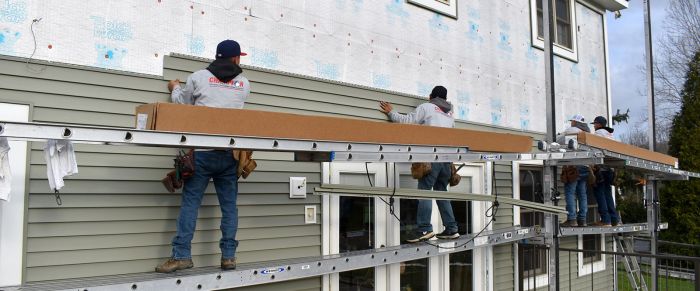
When it comes to improving the exterior of your home, vinyl siding is a popular choice due to its numerous benefits. Not only does it enhance the curb appeal of your property, but it also provides protection against the elements and requires minimal maintenance.
Benefits of Vinyl Siding
- Cost-effective: Vinyl siding is affordable compared to other materials like wood or brick.
- Easy to maintain: It doesn't require painting and can be cleaned with a simple hose and soap.
- Versatile: Available in a variety of colors and styles to suit any home design.
- Durable: Resistant to rot, moisture, and pests, ensuring a long-lasting finish.
Cost Range for Installation
The cost of installing vinyl siding can vary depending on factors such as the size of your home, the quality of the siding, and the complexity of the installation. On average, homeowners can expect to pay between $6,000 to $16,000 for a standard installation.
Durability of Vinyl Siding
Vinyl siding is known for its durability, outlasting materials like wood or aluminum siding. It can withstand harsh weather conditions, including strong winds, heavy rain, and extreme temperatures, without fading or warping. This longevity makes it a cost-effective option for homeowners looking for a low-maintenance and long-lasting exterior solution.
Preparation for Vinyl Siding Installation
Before beginning the vinyl siding installation process, it is crucial to gather the necessary tools and materials to ensure a smooth and successful project. Proper surface preparation is essential to the longevity and appearance of the vinyl siding. Additionally, safety measures should be followed to prevent any accidents during the installation.
Tools and Materials Needed
- Vinyl siding panels
- Siding nails or screws
- J-channel
- Utility knife
- Tape measure
- Level
- Tin snips
- Caulk gun
- Hammer or screwdriver
- Ladder
Importance of Proper Surface Preparation
Proper surface preparation is vital before installing vinyl siding to ensure a smooth and even application. Cleaning the surface thoroughly, repairing any damaged areas, and applying a weather-resistant barrier can prevent moisture issues and prolong the lifespan of the siding.
Safety Measures During Installation
- Wear safety goggles and gloves to protect your eyes and hands from debris.
- Use caution when working on ladders or elevated surfaces to prevent falls.
- Avoid working in extreme weather conditions such as high winds or rain.
- Follow manufacturer instructions for handling tools and materials to prevent accidents.
Vinyl Siding Installation Process
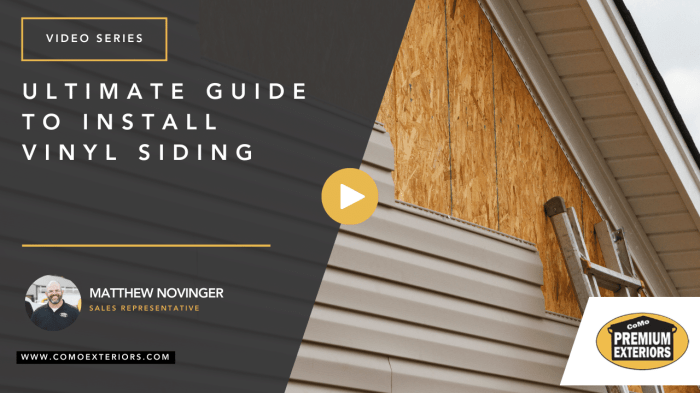
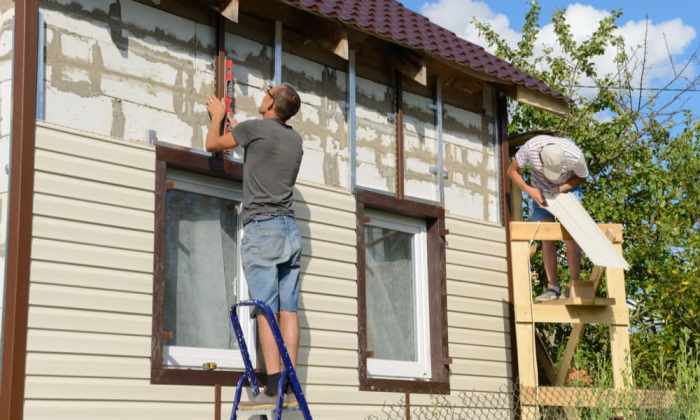
Installing vinyl siding involves a step-by-step process that ensures a proper and durable application. From measuring and cutting the siding panels to securing them onto the exterior of the building, each stage is crucial for a successful installation.
Measuring and Cutting Vinyl Siding Panels
When measuring vinyl siding panels, it's essential to take accurate measurements of the walls to determine the necessary length of each panel. Use a tape measure to measure the height and width of the walls, accounting for any corners or obstacles that may require special cuts
Once the measurements are taken, use a pencil to mark the cutting lines on the panels before using a sharp utility knife or vinyl siding cutter to make precise cuts along the marked lines.
Securing Vinyl Siding to the Building
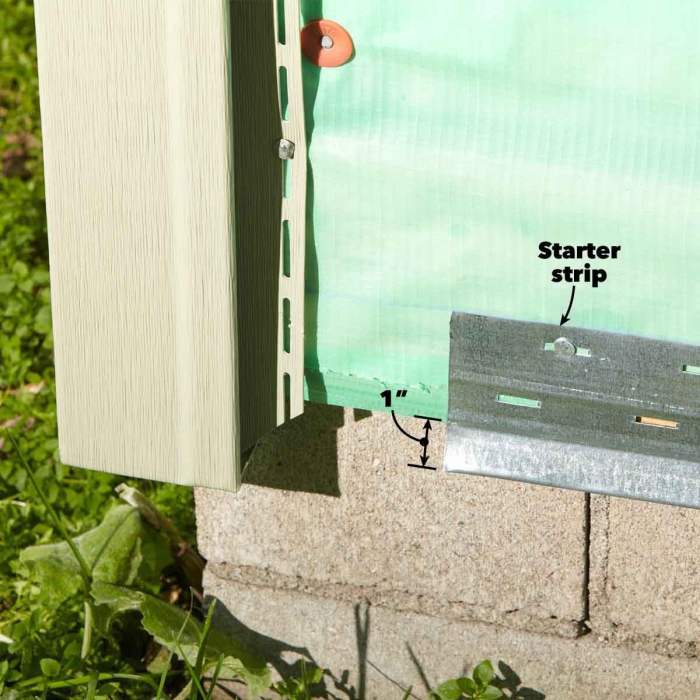
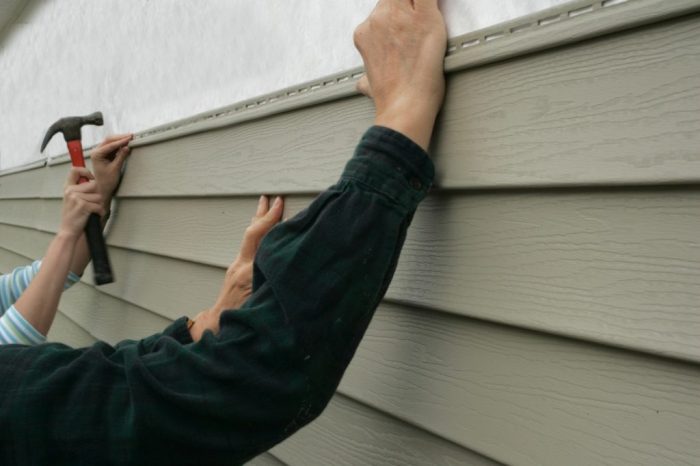
To properly secure vinyl siding to the exterior of a building, start by installing a starter strip at the bottom of the wall to provide a secure base for the first row of siding panels. Then, begin attaching the panels starting from one corner and working your way across the wall.
Use nails or screws specifically designed for vinyl siding, ensuring they are placed in the center of the nailing slots to allow for expansion and contraction. Make sure to leave a small gap between the panels to accommodate for temperature changes and prevent buckling.
Maintenance and Care of Vinyl Siding
Vinyl siding is a popular choice for homeowners due to its durability and low maintenance requirements. To ensure your vinyl siding stays in top condition, proper care and maintenance are essential.
Cleaning Vinyl Siding
Regularly cleaning your vinyl siding can help maintain its appearance and prevent buildup of dirt and grime. Here are some tips for cleaning vinyl siding:
- Use a soft cloth or a long-handled brush with a mixture of mild soap and water to scrub the siding gently.
- Rinse the siding thoroughly with a garden hose to remove any soap residue.
- Avoid using abrasive materials or harsh chemicals that can damage the vinyl surface.
- Consider using a pressure washer on a low setting for tough stains, but be careful not to apply too much pressure to avoid causing damage.
Common Issues with Vinyl Siding
While vinyl siding is known for its durability, some common issues may arise over time. Here are a few problems you may encounter and how to address them:
- Cracking or Warping:Extreme temperatures or improper installation can cause vinyl siding to crack or warp. Replace damaged panels to maintain the integrity of your siding.
- Mold and Mildew:Regularly clean your siding to prevent the growth of mold and mildew. Use a mixture of bleach and water to remove any existing mold.
- Fading:Exposure to sunlight can cause vinyl siding to fade over time. Consider using a UV-resistant cleaning solution to protect the color of your siding.
Lifespan and Longevity of Vinyl Siding
Vinyl siding typically has a lifespan of 20-40 years, depending on the quality of the material and proper maintenance. To extend the longevity of your vinyl siding, follow these maintenance tips:
- Inspect your siding regularly for any signs of damage or wear.
- Repair any cracks or holes promptly to prevent further damage.
- Keep your siding clean and free of debris to avoid mold and mildew growth.
- Avoid painting vinyl siding, as it is designed to retain its color without the need for repainting.
Final Review
As we conclude our exploration of vinyl siding installation, remember that with the right knowledge and care, your siding can stand the test of time. Dive into this transformative process and watch your home shine with vinyl siding.
Expert Answers
What are the benefits of vinyl siding?
Vinyl siding is durable, affordable, and requires minimal maintenance compared to other materials.
What tools and materials are needed for vinyl siding installation?
You will need siding panels, nails, a hammer, a level, and a tape measure, among other tools and materials.
How do you clean vinyl siding?
You can clean vinyl siding with a mixture of water and mild soap using a soft brush or cloth.
What is the typical lifespan of vinyl siding?
Vinyl siding can last anywhere from 20 to 40 years, depending on maintenance and environmental factors.