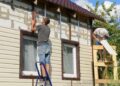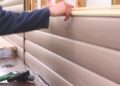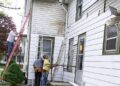
Exploring the world of residential siding repair opens up a realm of possibilities for homeowners looking to safeguard their property's exterior. From preventing further damage to enhancing the curb appeal of your home, this guide covers it all.
Delve into the nuances of different siding damage types, DIY repair techniques, the benefits of hiring professionals, and how to budget effectively for your repair projects.
Importance of Residential Siding Repair
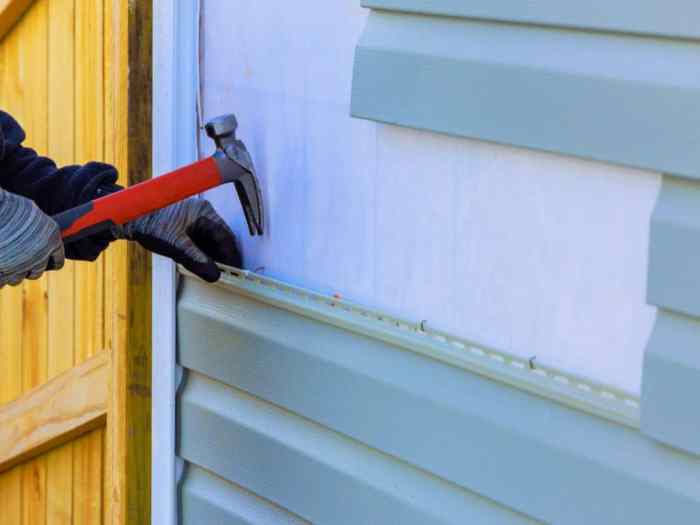
Ensuring the maintenance of residential siding is crucial for the overall well-being of a home. Siding serves as a protective barrier against the elements, safeguarding the interior structure from damage caused by weather conditions.
Preventing Further Damage
Regular repairs and maintenance of residential siding can help prevent more extensive and costly damage to the property. Addressing minor issues promptly can prevent them from escalating into larger problems that may require significant repairs or replacements.
Aesthetics and Curb Appeal
Neglecting siding repairs can significantly impact the overall aesthetics and curb appeal of a home. Damaged or deteriorating siding can make a property look unkempt and decrease its value. Keeping the siding in good condition enhances the visual appeal of the home and contributes to a positive first impression.
Common Types of Siding Damage
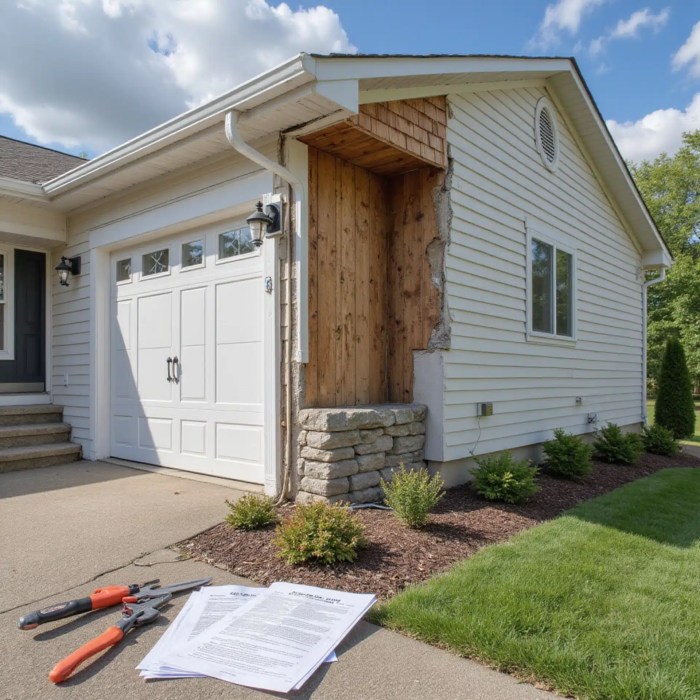
When it comes to residential siding, various types of damage can occur due to different factors. Understanding these types of damage is crucial in identifying when siding repair is necessary.
Cracking
Cracking is a common type of siding damage that can be caused by extreme weather conditions such as freezing temperatures or hail. Over time, the expansion and contraction of the siding material can lead to cracks, compromising the integrity of the siding.
Fading
Fading of siding is often a result of prolonged exposure to sunlight. UV rays can cause the color of the siding to fade, making it look worn out and aged. Faded siding not only affects the aesthetic appeal of the home but also indicates that the siding may be deteriorating.
Warped or Buckling
Warped or buckling siding is usually a sign of moisture infiltration. Improper installation, lack of proper sealing, or aging siding can all contribute to water getting behind the siding, causing it to warp or buckle. This type of damage not only affects the appearance of the home but can also lead to more serious issues like mold growth.
Holes or Punctures
Holes or punctures in siding can occur due to various reasons, including impact from debris during storms or accidents. These openings can allow moisture to seep into the underlying layers of the home, leading to water damage and potential structural issues if left unaddressed.
Peeling Paint
Peeling paint on siding is a clear indication that the protective layer of the siding is compromised. This can be due to age, poor quality paint, or improper application. Peeling paint not only affects the appearance of the siding but also leaves it vulnerable to further damage from the elements.
DIY Repair Techniques
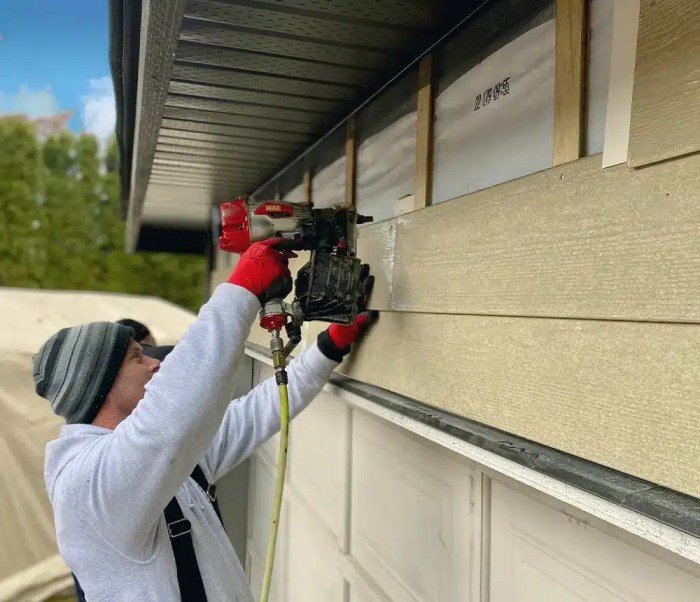
When it comes to minor siding damages, homeowners can often tackle the repairs themselves with the right tools and materials. This not only saves money but also allows for immediate fixing of the issue to prevent further damage. However, it's important to follow proper safety precautions when working on siding repairs.
Step-by-Step DIY Repair Methods
To repair minor siding damages on your own, follow these step-by-step instructions:
- Clean the damaged area by removing any dirt, debris, or loose pieces of siding.
- Assess the extent of the damage and determine if any underlying issues need to be addressed.
- Cut a replacement piece of siding to fit the damaged area, making sure it matches the color and style of the existing siding.
- Remove the damaged siding piece and install the new piece in its place, using nails or screws to secure it in position.
- Seal the edges of the new siding piece with caulk to prevent water infiltration.
- Paint or finish the repaired area to blend it seamlessly with the rest of the siding.
Tools and Materials Needed
When attempting DIY siding repairs, make sure you have the following tools and materials on hand:
- Siding repair kit or replacement siding pieces
- Hammer or screwdriver
- Caulk gun and caulk
- Paint or finish matching the existing siding
- Ladder or scaffolding for elevated repairs
- Gloves, safety goggles, and a dust mask for protection
Safety Tips for Homeowners
To ensure your safety while repairing siding on your own, remember to:
- Wear appropriate safety gear, including gloves, safety goggles, and a dust mask.
- Use a sturdy ladder or scaffolding when working at heights to prevent falls.
- Avoid working in extreme weather conditions, such as high winds or rain, to prevent accidents.
- Be cautious when using power tools and follow the manufacturer's instructions carefully.
- Have a helper nearby for assistance, especially when working on elevated repairs.
Hiring Professional Services
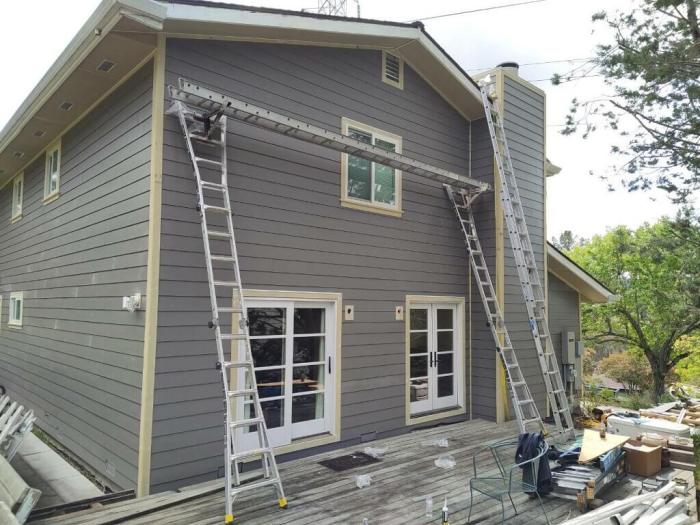
When it comes to residential siding repair, hiring professional services can offer numerous benefits compared to attempting a DIY approach. Professional contractors bring expertise, experience, and specialized tools to the job, ensuring a high-quality outcome and saving you time and effort in the process.
Benefits of Hiring Professional Contractors
- Professional expertise and experience in identifying and addressing various types of siding damage.
- Access to specialized tools and equipment for efficient and effective repairs.
- Quality workmanship that can enhance the overall appearance and value of your home.
- Time-saving, as professionals can complete the repair work in a timely manner.
- Peace of mind knowing that the repair is done correctly and will last for a long time.
Qualifications to Look for in a Reputable Siding Repair Service
- Licensed and insured contractors to ensure compliance with regulations and protection against any liabilities.
- Positive reviews and references from previous clients to gauge the quality of their work.
- Experience in handling the specific type of siding material used in your home.
- Clear and detailed cost estimates and timelines for the repair project.
- Good communication skills and professionalism in dealing with clients.
Typical Process Involved When Hiring Professionals
- Contacting multiple siding repair services to request quotes and assess their qualifications.
- Comparing the cost estimates, timelines, and overall reputation of each contractor before making a decision.
- Scheduling an on-site visit for the selected contractor to assess the extent of the damage and provide a detailed repair plan.
- Signing a contract outlining the scope of work, costs, and timelines for the repair project.
- Supervising the repair work to ensure it meets your expectations and specifications.
Cost Factors and Budgeting
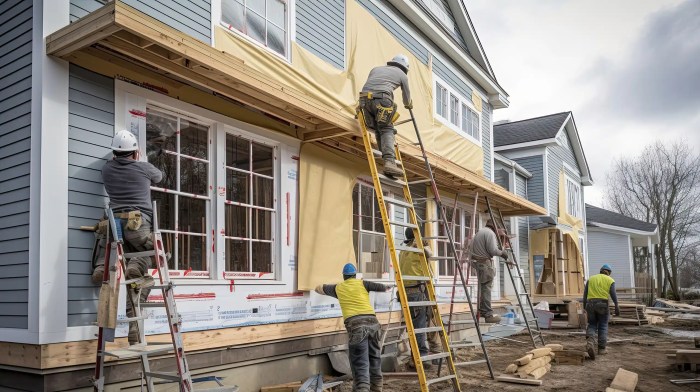
When it comes to residential siding repair, understanding the cost factors involved and effectively budgeting for the project is crucial to ensure a successful outcome. By taking the time to plan and prepare financially, homeowners can avoid unexpected expenses and make informed decisions throughout the repair process.
Cost Factors for Residential Siding Repair
- The type of siding material: Different siding materials come at varying price points, with some requiring more labor and expertise to repair.
- The extent of damage: The severity and extent of the damage to the siding will impact the overall repair costs.
- Accessibility: The location and accessibility of the damaged siding can affect the labor costs involved in the repair process.
- Additional materials and supplies: Depending on the repair needs, additional materials such as sealants, paints, or trim pieces may be required, adding to the overall expenses.
Tips for Budgeting and Planning
- Research and compare prices: Obtain quotes from multiple contractors to compare costs and choose the most reasonable option.
- Set a realistic budget: Establish a budget range based on the estimated repair costs and allocate funds accordingly.
- Consider long-term solutions: Invest in quality materials and workmanship to ensure the longevity of the repair and avoid future expenses.
- Factor in unexpected costs: Leave room in your budget for unforeseen expenses that may arise during the repair process.
Obtaining Accurate Estimates
- Provide detailed information: When seeking estimates from contractors, be sure to provide accurate information about the extent of the damage and your specific repair needs.
- Ask for a breakdown: Request a detailed breakdown of the costs involved in the repair, including labor, materials, and any additional fees.
- Get everything in writing: Once you have chosen a contractor, make sure to get a written contract outlining the scope of work and the agreed-upon costs to avoid any misunderstandings later on.
Concluding Remarks
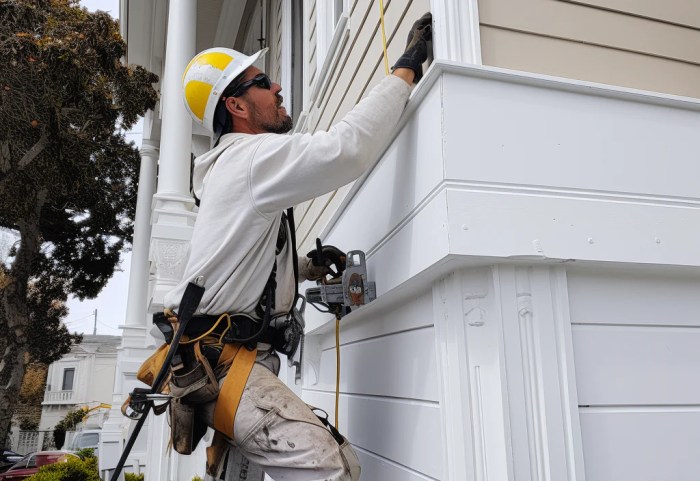
In conclusion, maintaining your residential siding is not just about aesthetics but also about protecting your investment. By staying proactive and informed, you can ensure your home remains a sanctuary for years to come.
FAQ
How often should I repair my residential siding?
It's recommended to inspect your siding annually and address any issues promptly to avoid costly repairs down the line.
Can I paint over damaged siding instead of repairing it?
While painting can cover up minor imperfections, it's crucial to fix underlying damage to ensure the longevity of your siding.
What are the benefits of hiring professional contractors for siding repair?
Professional contractors bring expertise, quality materials, and efficient service, saving you time and ensuring a durable repair job.
How can I estimate the cost of my siding repair project?
Obtain quotes from multiple contractors, consider materials, labor, and any additional work needed to get an accurate estimate for your budget.