
Siding remodeling contractors play a crucial role in transforming your home, both aesthetically and functionally. From selecting the right materials to installing them with precision, these professionals are key players in enhancing your property's value and curb appeal. Dive into our comprehensive guide to discover everything you need to know about siding remodeling contractors.
As we delve deeper into each aspect of siding remodeling, you'll gain valuable insights into the process, materials, costs, and more. Whether you're embarking on a small renovation or a complete overhaul, this guide will equip you with the knowledge to make informed decisions.
Importance of Siding Remodeling Contractors
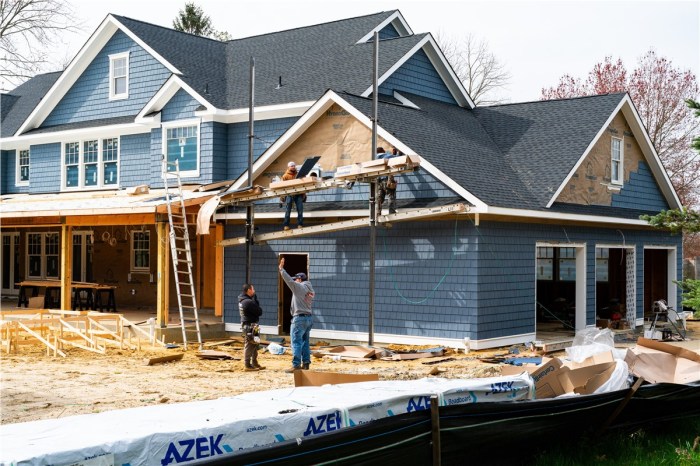
When it comes to home improvement projects, siding remodeling contractors play a crucial role in transforming the look and functionality of a property. Their expertise and skills are essential in enhancing the overall aesthetics and durability of a home.
Enhancing Aesthetics
Siding remodeling contractors have the knowledge and experience to recommend the best materials and designs that can elevate the curb appeal of a home. By choosing the right color and style of siding, they can completely transform the look of a property, giving it a fresh and modern appearance.
Improving Functionality
Aside from enhancing the visual appeal of a home, siding contractors also focus on improving the functionality of the property. They ensure that the siding is properly installed to provide sufficient insulation, weather protection, and durability, ultimately contributing to the comfort and safety of the residents.
Increasing Home Value
One of the significant benefits of hiring professional siding remodeling contractors is the potential increase in the value of a home. Well-maintained and visually appealing siding can significantly boost the overall value of a property, making it more attractive to potential buyers in the future.
Types of Siding Materials
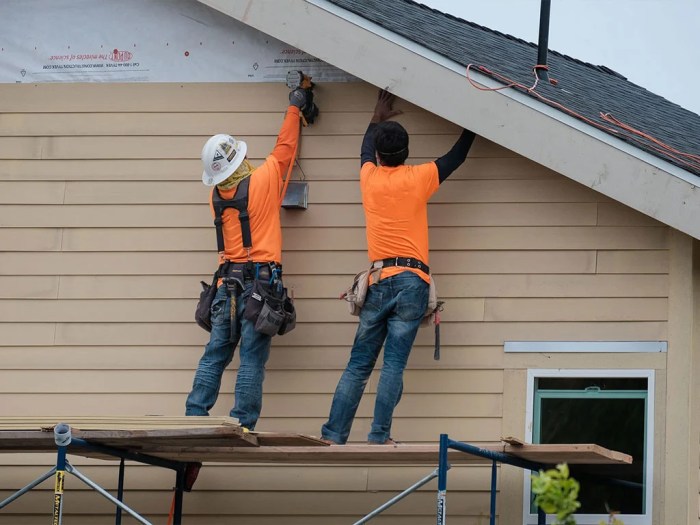
When it comes to remodeling projects, choosing the right siding material is crucial for the overall look and durability of your home. There are several types of siding materials commonly used, each with its own set of pros and cons.
Let's explore the different options available:
Vinyl Siding
Vinyl siding is one of the most popular choices due to its affordability and low maintenance requirements. It comes in a variety of colors and styles, making it versatile for different home designs. However, vinyl siding may not be as durable as other materials and can crack in extreme weather conditions.
Wood Siding
Wood siding offers a classic and natural look that many homeowners love. It can be painted or stained to match your preferred aesthetic. While wood siding is durable and can last for many years with proper maintenance, it is more prone to rot, pests, and requires regular upkeep to prevent damage.
Fiber Cement Siding
Fiber cement siding is known for its durability and resistance to rot, fire, and pests. It can mimic the look of wood or stucco, providing a high-end appearance without the maintenance requirements. However, fiber cement siding can be more expensive upfront and may require professional installation.
Metal Siding
Metal siding, such as aluminum or steel, offers excellent durability and weather resistance. It is low maintenance and can last for decades without needing to be replaced. Metal siding is also energy-efficient and can help improve the insulation of your home.
On the downside, metal siding can dent easily and may be more prone to rust if not properly maintained.Consider these factors when selecting a siding material for your remodeling project to ensure that it meets your aesthetic preferences, budget, and maintenance expectations.
Siding Remodeling Process
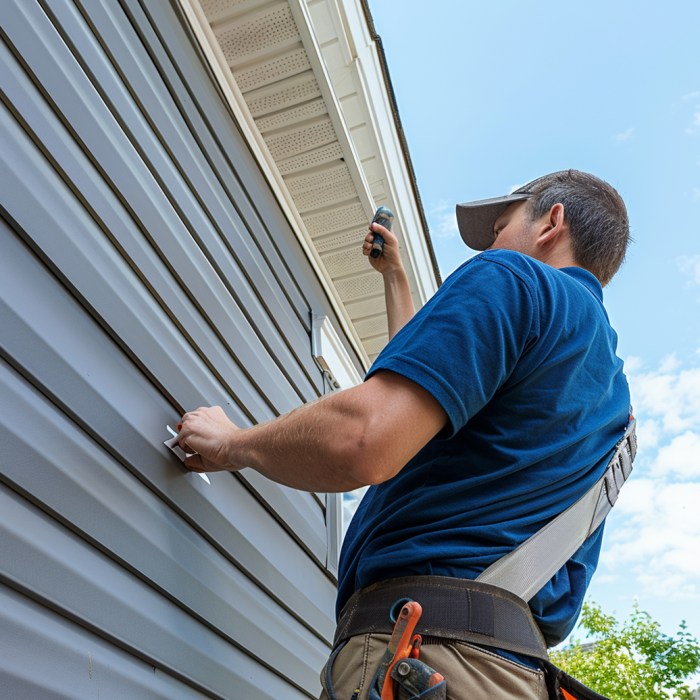
When it comes to a siding remodeling project, there are several key steps involved in the process to ensure a successful outcome. From assessing the property to determining the best siding options and carrying out the installation, each step plays a crucial role in the overall project.
Assessment and Determining Siding Options
Before starting the siding remodeling project, contractors will conduct a thorough assessment of the property. This includes examining the existing siding, identifying any damage or areas of concern, and taking measurements to determine the amount of materials needed.
Based on the assessment, contractors will then recommend the best siding options for the specific property. Factors such as durability, maintenance requirements, and aesthetic appeal will be considered to provide the homeowner with the most suitable choices.
Installation Process and Preparation
Once the siding options have been selected, the installation process can begin. This typically involves removing the old siding, preparing the surface, and making any necessary repairs to ensure a smooth installation.
Contractors will carefully install the new siding according to manufacturer guidelines and industry best practices. Proper insulation, weatherproofing, and finishing touches are essential to ensure the longevity and performance of the new siding.
Cost Factors and Budgeting
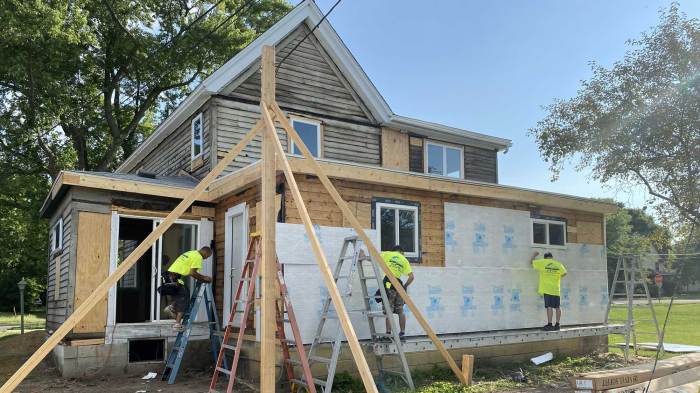
When it comes to planning a siding remodeling project, homeowners need to consider several key cost factors to ensure they stay within budget and achieve their desired results. Understanding how contractors estimate costs and provide quotes can help homeowners make informed decisions, while tips on budgeting for siding renovations and saving money without compromising quality can be valuable in the planning process.
Key Cost Factors for Siding Remodeling Projects
- Size of the project: The square footage of the area to be covered with new siding will greatly impact the overall cost of the project.
- Choice of siding material: Different siding materials come at varying price points, with options like vinyl, wood, fiber cement, and metal each having their own cost considerations.
- Labor costs: The complexity of the installation process, as well as the contractor's labor rates, will factor into the total cost of the project.
- Additional features: Factors such as trim work, insulation, and any necessary repairs or replacements can add to the overall cost.
Estimating Costs and Providing Quotes
- Contractors typically conduct a site visit to assess the scope of the project and take measurements to determine the amount of materials needed.
- They will consider the chosen siding material, labor costs, and any additional features to provide a detailed quote outlining the total cost of the project.
- Quotes may also include information on warranties, timelines, and payment schedules for transparency and clarity.
Budgeting Tips and Cost-Saving Strategies
- Set a realistic budget: Determine how much you can afford to spend on the project and allocate funds accordingly to prevent overspending.
- Compare quotes: Obtain multiple quotes from different contractors to compare prices and services offered, ensuring you get the best value for your money.
- Consider DIY options: Some homeowners may choose to handle certain aspects of the project themselves, such as removing old siding or painting, to reduce labor costs.
- Timing is key: Scheduling your siding remodeling project during off-peak seasons or taking advantage of contractor promotions can help you save money.
Hiring the Right Contractor
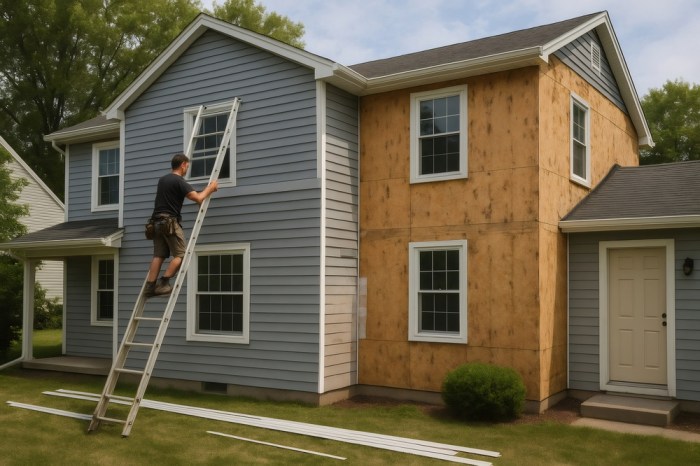
When it comes to selecting a reputable siding remodeling contractor, there are several key factors to consider to ensure the success of your project.
Checking Licenses, Insurance, and Past Work References
Before hiring a contractor, it is crucial to verify that they are properly licensed and insured. A valid license demonstrates that the contractor has met the necessary requirements to operate legally in your area. Insurance coverage, such as liability and worker's compensation, protects you in case of any accidents or damages during the project.
Additionally, requesting past work references allows you to assess the quality of their work and reliability.
- Make sure the contractor holds a valid license to operate in your area.
- Verify that the contractor has insurance coverage, including liability and worker's compensation.
- Ask for references from previous clients to evaluate their work quality and professionalism.
Conducting Interviews and Requesting Detailed Proposals
Interviewing potential contractors gives you the opportunity to discuss your project requirements, timeline, and budget. During the interview, pay attention to how well they communicate and address your concerns. Requesting detailed proposals from each contractor allows you to compare pricing, materials, and project scopes to make an informed decision.
- Schedule interviews with multiple contractors to discuss your project needs and expectations.
- Assess the contractor's communication skills and how they address your questions and concerns.
- Ask for detailed proposals outlining the project scope, timeline, materials, and cost breakdown.
Trends in Siding Design
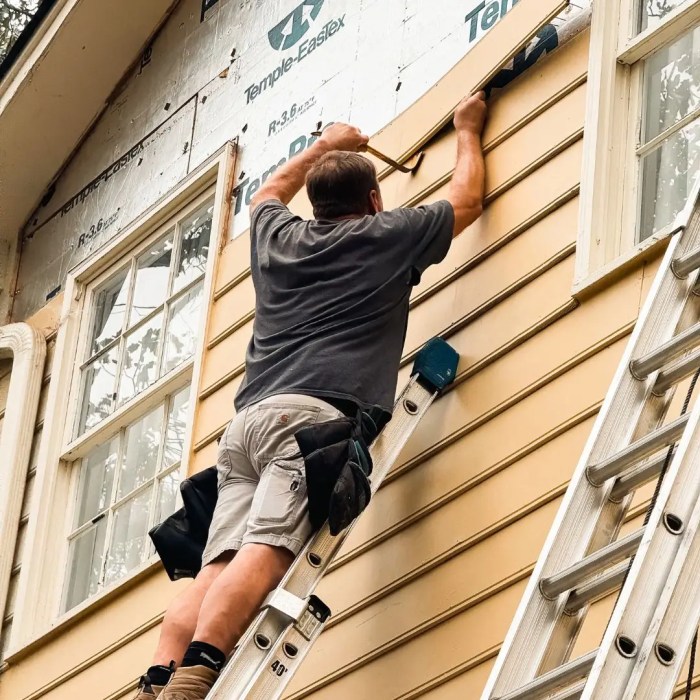
When it comes to siding design, staying current with trends can greatly impact the overall look and feel of a remodeling project. Homeowners are increasingly looking for unique and modern designs to enhance the curb appeal of their homes.
Popular Color Schemes, Textures, and Patterns
One of the current trends in siding design is the use of bold and vibrant colors to make a statement. Colors like deep blues, rich greens, and even black are becoming popular choices. Textures such as wood-grain finishes and patterns like board and batten are also in high demand for a more dynamic look.
Eco-Friendly Siding Options
With a growing focus on sustainability, eco-friendly siding options are gaining popularity among homeowners. Materials like fiber cement, reclaimed wood, and metal siding are being used to create environmentally conscious designs that also offer durability and low maintenance.
Final Conclusion
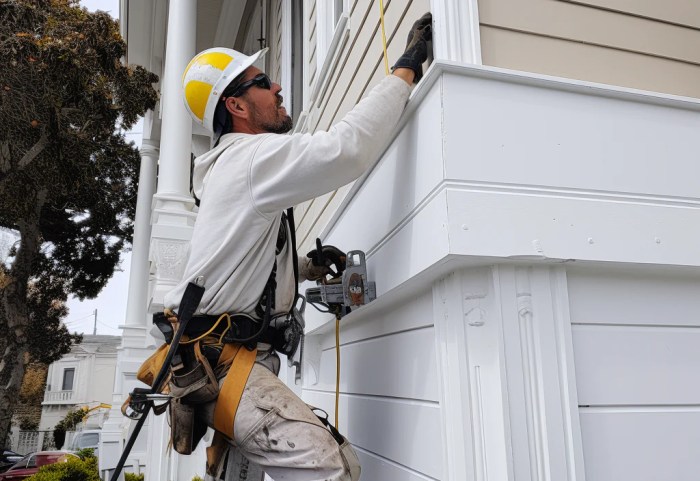
In conclusion, siding remodeling contractors are the backbone of any successful home improvement project. By understanding their importance, selecting the right materials, and hiring reputable professionals, you can elevate your home's appearance and functionality. Take the first step towards transforming your property today with the help of experienced siding remodeling contractors.
Commonly Asked Questions
What role do siding remodeling contractors play in home improvement projects?
Siding remodeling contractors are responsible for enhancing the aesthetics and functionality of a property through the installation and repair of siding materials.
How do I select the right siding material for my home?
Factors such as durability, maintenance requirements, and budget should be considered when choosing between vinyl, wood, fiber cement, and metal siding.
What are the typical steps involved in a siding remodeling project?
The process usually includes property assessment, selection of siding options, installation, and necessary preparations before the project begins.
How can homeowners budget effectively for siding renovations?
Key cost factors, estimates from contractors, and tips on saving money without compromising quality are essential for effective budgeting.
What should I look for when hiring a siding remodeling contractor?
It's important to check licenses, insurance, past work references, and conduct interviews to ensure you're hiring a reputable professional.