
Embark on a journey through the world of affordable siding contractors, where we explore the importance of siding for homes, the benefits of hiring these professionals, and how they can enhance the aesthetic appeal of your home.
Delve into the various types of siding materials, factors to consider when choosing contractors, estimating costs, and the advantages of hiring local professionals.
Overview of Affordable Siding Contractors
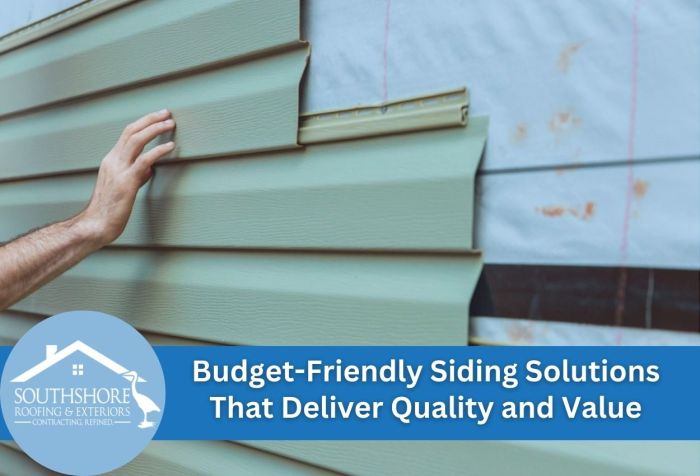
When it comes to homes, siding plays a crucial role in protecting the exterior and enhancing the overall appearance. It serves as a barrier against harsh weather conditions, pests, and moisture, ensuring the longevity of the property.
One of the key benefits of hiring affordable siding contractors is cost-effectiveness. These professionals offer quality services at a reasonable price, allowing homeowners to improve their homes without breaking the bank. Additionally, affordable siding contractors have the expertise and experience to complete the job efficiently and effectively.
Improving Aesthetic Appeal
Affordable siding contractors can help enhance a home's curb appeal by offering a wide range of siding options to choose from. Whether it's vinyl, wood, fiber cement, or metal siding, these professionals can provide expert advice on the best material and design to complement the overall look of the home.
By upgrading the siding, homeowners can give their property a fresh and modern appearance, increasing its value and attractiveness.
Types of Siding Materials
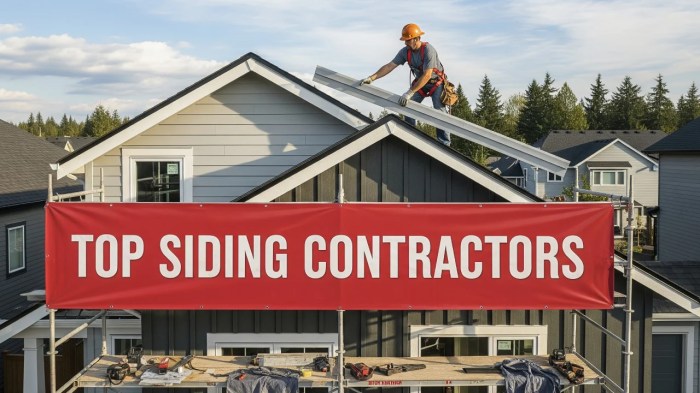
When it comes to siding materials, there are several options available that contractors commonly use for residential properties. Each material has its own characteristics, cost-effectiveness, and aesthetic appeal. Let's explore some of the most commonly used siding materials below.
Vinyl Siding
Vinyl siding is one of the most popular choices due to its affordability and low maintenance. It comes in a variety of colors and styles, making it a versatile option for many homeowners. Vinyl siding is cost-effective both in terms of initial installation and long-term maintenance.
Fiber Cement Siding
Fiber cement siding is known for its durability and resistance to rot, fire, and pests. While it may have a higher upfront cost compared to vinyl, it is a cost-effective option in the long run due to its longevity and minimal maintenance requirements.
Wood Siding
Wood siding offers a natural and rustic look to homes, adding a touch of warmth and charm. However, it requires regular maintenance, such as painting or staining, to prevent rot and insect damage. While wood siding can be more expensive upfront and in maintenance costs, it provides a timeless aesthetic appeal.
Engineered Wood Siding
Engineered wood siding is a more affordable alternative to natural wood siding. It is made from wood fibers and resin, offering the look of real wood without the high maintenance requirements. Engineered wood siding is cost-effective and comes in a variety of styles and colors.
Aluminum Siding
Aluminum siding is lightweight, durable, and resistant to rust and rot. While it may not be as popular as other materials, it is a cost-effective option for homeowners looking for a low-maintenance siding solution. Aluminum siding is also environmentally friendly and recyclable.These are just a few examples of the siding materials commonly used by contractors.
Each material has its own advantages and cost-effectiveness, depending on the homeowner's preferences and budget. Visual examples of homes with different siding materials can help homeowners make an informed decision when choosing the right siding for their property.
Factors to Consider When Choosing Affordable Siding Contractors

When it comes to choosing affordable siding contractors, there are several key factors that you should consider to ensure you hire the right professionals for the job. From checking for licenses and insurance to evaluating their reputation and experience, these factors can help you make an informed decision and avoid any potential issues down the line.
Licensing and Insurance
One of the most important factors to consider when choosing siding contractors is to verify that they are properly licensed and insured
Additionally, insurance protects you from liability in case of any accidents or damages that may occur during the project.
Reputation and Experience
It is also crucial to research the reputation and experience of the siding contractors you are considering. Look for reviews and testimonials from previous customers to get an idea of the quality of their work and level of customer satisfaction.
Experienced contractors with a proven track record are more likely to deliver high-quality results and handle any challenges that may arise during the project.
Cost Estimation and Budgeting
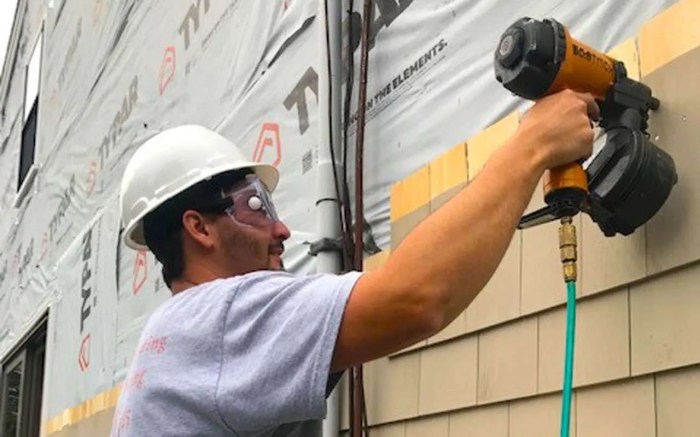
Estimating the cost of siding installation is crucial to ensure that you stay within your budget and avoid any financial surprises along the way. By breaking down the costs involved in siding projects and learning how to budget effectively, you can plan ahead and make informed decisions.
Breakdown of Costs Involved in Siding Projects
- Materials: The cost of siding materials can vary depending on the type and quality you choose. Common siding materials include vinyl, wood, fiber cement, and metal.
- Labor: Hiring professional siding contractors will incur labor costs, which can also depend on the size and complexity of the project.
- Equipment and tools: Certain siding projects may require specialized equipment and tools, which can add to the overall cost.
- Permits and fees: Depending on your location, you may need to obtain permits for siding installation, which can come with additional fees.
Tips on How to Budget Effectively for Siding Installation
- Get multiple quotes: It's essential to get quotes from different siding contractors to compare prices and services offered.
- Consider long-term costs: While opting for cheaper materials may save you money upfront, it's important to consider the long-term maintenance and durability of the siding.
- Plan for unexpected expenses: Add a buffer in your budget for any unforeseen costs that may arise during the siding installation process.
- Prioritize your needs: Determine your must-haves versus nice-to-haves to allocate your budget effectively and avoid overspending.
Benefits of Hiring Local Siding Contractors
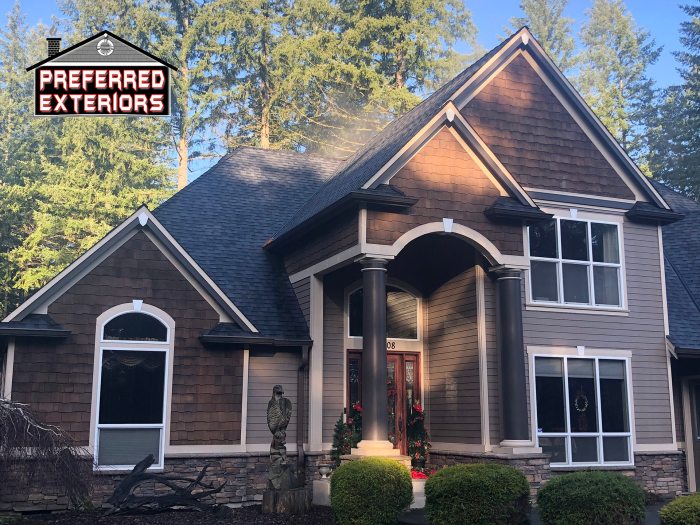
When it comes to siding projects, hiring local contractors can offer numerous advantages that can make a significant difference in the overall outcome of your project. Local contractors are often more familiar with the area, local building codes, and environmental factors that can affect your siding installation.Local contractors may also have established relationships with suppliers in the area, allowing them to source materials at a lower cost compared to non-local contractors.
This can result in more competitive pricing for your siding project, helping you save money without compromising on quality.
Examples of Successful Projects
- Local siding contractor A completed a siding project for a nearby neighborhood, receiving rave reviews for their attention to detail and excellent customer service.
- Local siding contractor B was able to complete a challenging siding repair job ahead of schedule, showcasing their expertise and efficiency.
- Local siding contractor C worked closely with a homeowner to design a custom siding solution that exceeded expectations, demonstrating their creativity and craftsmanship.
Final Conclusion
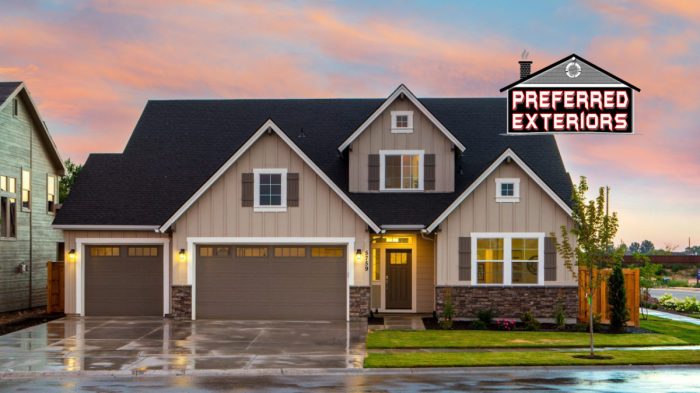
In conclusion, affordable siding contractors play a crucial role in transforming your home's exterior. By understanding the key factors and benefits discussed, you can make informed decisions to enhance your living space.
Top FAQs
What are some key factors to consider when choosing affordable siding contractors?
Some key factors include checking for licenses, insurance, and evaluating their reputation and experience.
How can I effectively budget for siding installation?
To budget effectively, estimate the costs involved, consider the type of siding material, and get quotes from multiple contractors.
Why is it important to hire local siding contractors?
Local contractors offer advantages such as competitive pricing, better understanding of local regulations, and quicker response times.