Old siding replacement is a crucial aspect of maintaining your home's integrity and aesthetics. It's not just about enhancing curb appeal; it's about ensuring the protection and longevity of your property. In this comprehensive guide, we delve into the importance of old siding replacement, explore different siding materials, weigh the pros and cons of hiring a professional versus going the DIY route, Artikel the step-by-step process, and provide valuable insights on cost factors and budgeting.
Get ready to transform your home with a fresh new look!
Importance of Old Siding Replacement
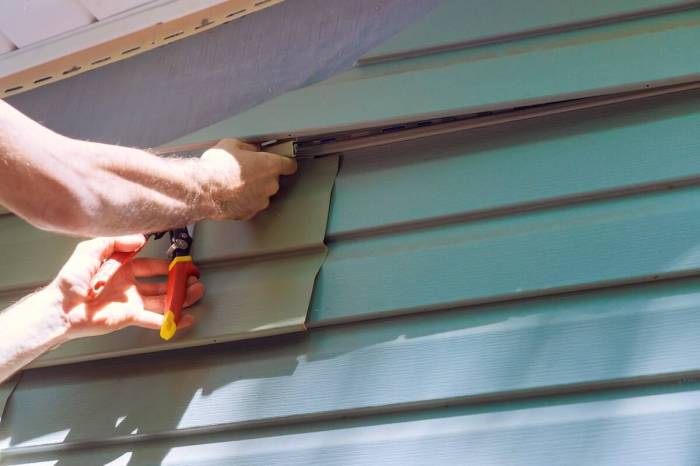
Old siding replacement is crucial for maintaining the overall integrity and appearance of your home. As siding ages, it can deteriorate and become less effective in protecting your home from the elements.
Potential Risks of Neglecting Old Siding Replacement
- Water Damage: Old siding may develop cracks or gaps, allowing water to seep into your home and cause damage to the structure.
- Mold and Mildew Growth: Moisture trapped behind old siding can lead to mold and mildew growth, posing health risks to you and your family.
- Decreased Energy Efficiency: Worn-out siding can result in poor insulation, leading to higher energy bills as your heating and cooling systems work harder to maintain a comfortable temperature.
Signs It’s Time for Old Siding Replacement
- Cracked or Warped Siding: Visible cracks, warping, or bubbling on the siding indicate that it has reached the end of its lifespan.
- Fading Color: Faded or discolored siding not only affects the curb appeal of your home but also signifies age and wear.
- Peeling Paint or Wallpaper Inside: If you notice peeling paint or wallpaper inside your home, it could be a sign that moisture is seeping in through old siding.
Types of Siding Materials
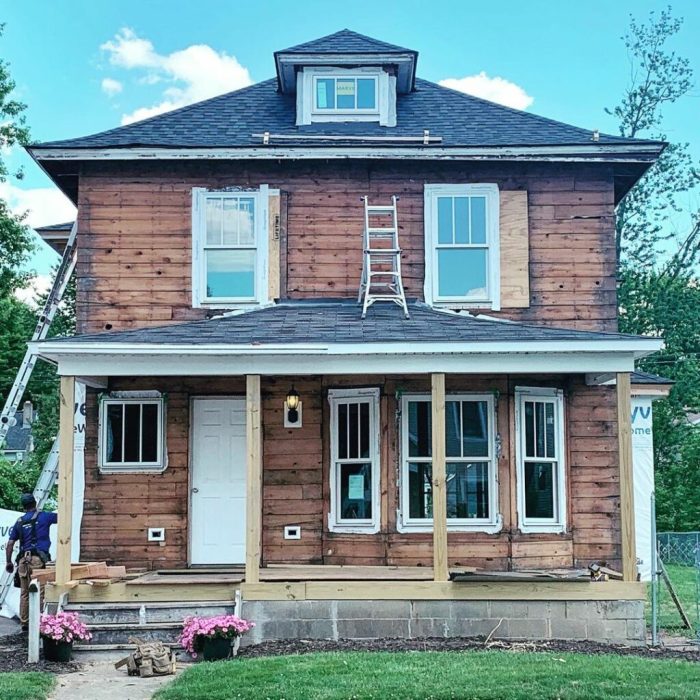
When it comes to replacing old siding, there are various materials to choose from. Each siding material has its own set of characteristics, including durability, cost, maintenance requirements, and aesthetic appeal.
Vinyl Siding
Vinyl siding is a popular choice due to its affordability and low maintenance. It is durable, resistant to rot and insect damage, and comes in a wide range of colors and styles. However, it may crack or fade over time, especially in extreme weather conditions.
Fiber Cement Siding
Fiber cement siding is known for its durability and resistance to fire, rot, and insects. It can mimic the look of wood, stucco, or masonry, providing versatility in design. Although it is more expensive than vinyl, it requires minimal maintenance and has a long lifespan.
Wood Siding
Wood siding offers a natural and timeless look to a home. Cedar and redwood are popular choices due to their natural resistance to decay and insects. However, wood siding requires regular maintenance, such as painting or staining, to prevent rot and moisture damage.
Aluminum Siding
Aluminum siding is lightweight, durable, and resistant to fire and insects. It is relatively low maintenance and can be painted to change the color. However, aluminum siding may dent easily and is prone to fading over time.
Engineered Wood Siding
Engineered wood siding combines wood fibers and resin to create a durable and stable material. It can mimic the look of natural wood but requires less maintenance. Engineered wood siding is susceptible to moisture damage if not properly installed or maintained.
Brick Siding
Brick siding is known for its durability, low maintenance, and classic appearance. It offers excellent insulation and fire resistance but comes with a higher upfront cost. Brick siding can enhance the curb appeal and value of a home.
Hiring a Professional vs. DIY Replacement
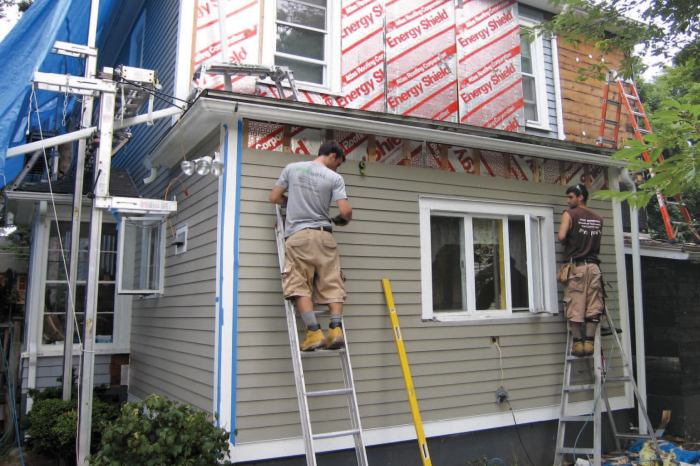
When it comes to replacing old siding, homeowners often face the decision of whether to hire a professional or attempt a do-it-yourself (DIY) project. Each option comes with its own set of benefits and challenges.
Benefits of Hiring a Professional
1. Expertise and Experience: Professional contractors have the knowledge and experience to properly assess the condition of your old siding and recommend the best replacement options.
2. Quality Workmanship: Hiring a professional ensures that the replacement siding is installed correctly, minimizing the risk of future issues or damage.
3. Time-Saving: Professionals can complete the project efficiently, saving you time and ensuring the job is done in a timely manner.
4. Warranty and Guarantee: Reputable contractors often provide warranties on their work, giving you peace of mind in case any issues arise after the replacement.
Risks and Challenges of DIY Replacement
1. Lack of Expertise: DIY projects may lack the expertise needed to properly assess the condition of the old siding or handle unexpected challenges during the replacement process.
2. Safety Concerns: Working with siding materials and tools can be dangerous without the proper training and equipment, increasing the risk of accidents or injuries.
3. Potential Cost Overruns: Mistakes in DIY projects can lead to additional expenses to fix errors, ultimately costing more than hiring a professional from the start.
Tips for Choosing a Reputable Contractor
1. Research and Reviews: Look for contractors with positive reviews and a good reputation in the industry. Check online platforms and ask for referrals from friends or family.
2
3. Written Estimates: Get detailed written estimates from multiple contractors to compare prices, services, and timelines before making a decision.
4. Communication and Contracts: Clear communication and a written contract outlining the scope of work, materials, costs, and timeline are essential to avoid misunderstandings.
Steps of Old Siding Replacement Process
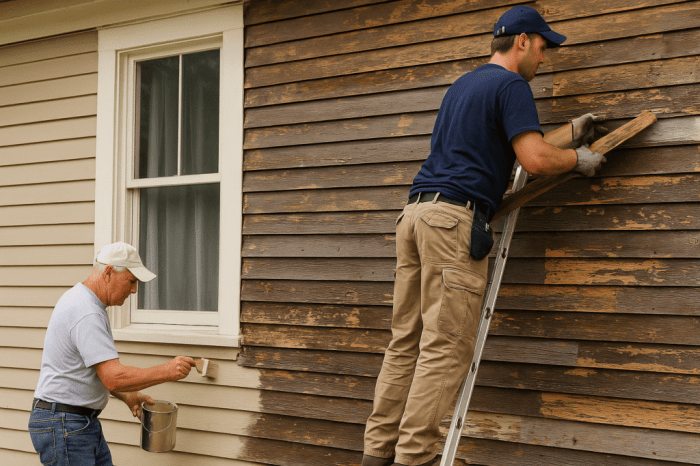
Replacing old siding can enhance the appearance and durability of your home. Here is a step-by-step guide to help you through the process.
Gather the Necessary Tools and Equipment
- Siding removal tool
- Hammer
- Pry bar
- Tape measure
- Circular saw
- Ladder
- Safety goggles and gloves
- New siding material
- Nails or screws
Prepare the Work Area
- Clear the area around the house
- Ensure a safe working environment
- Protect plants and landscaping
Remove Old Siding
- Start from the top and work your way down
- Use the siding removal tool to loosen the old siding
- Carefully remove the old siding panels
Inspect and Repair the Substrate
- Check for any damage to the underlying structure
- Replace or repair any rotten or damaged areas
- Ensure a solid foundation for the new siding
Install New Siding
- Measure and cut the new siding panels to fit
- Secure the new siding in place using nails or screws
- Follow the manufacturer's instructions for installation
Finish and Clean Up
- Seal any gaps or joints in the siding
- Clean up debris and dispose of old siding properly
- Inspect the final work for any issues
Cost Factors and Budgeting
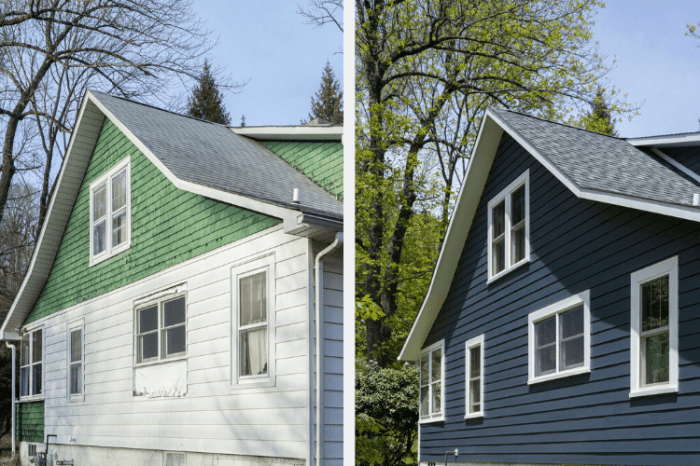
When planning for old siding replacement, it is important to consider various cost factors to ensure that you stay within your budget and avoid any financial surprises along the way.
Cost Factors Involved in Old Siding Replacement
Several factors can influence the cost of old siding replacement, including:
- The size of your home and the amount of siding needed
- The type of siding material you choose
- The condition of the existing siding and any repairs or preparations needed
- Labor costs for professional installation or time and effort for DIY replacement
- Additional features like trim work, insulation, or painting
- Permit costs and any unexpected issues that may arise during the project
Tips on Budgeting for a Siding Replacement Project
Here are some tips to help you budget effectively for your siding replacement project:
- Evaluate your finances and set a realistic budget based on your needs and the scope of the project
- Get multiple quotes from different contractors to compare prices and services
- Consider financing options or payment plans if needed
- Plan for additional costs or unexpected expenses by setting aside a contingency fund
- Prioritize essential features and upgrades to stay within your budget
Potential Cost-Saving Strategies for Siding Replacement
Here are some strategies to help you save money on your siding replacement project:
- Consider using more affordable siding materials like vinyl or fiber cement
- Opt for standard sizes and shapes to minimize customization costs
- Do some of the prep work yourself, such as removing old siding or clearing the work area
- Shop around for discounts, promotions, or off-season deals on materials or labor
- Combine siding replacement with other home improvement projects to save on overall costs
Ultimate Conclusion
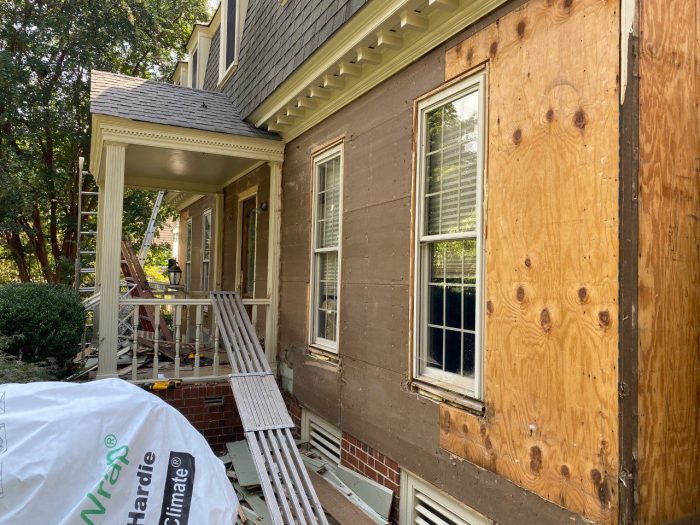
As we conclude this guide on old siding replacement, remember that investing in your home's exterior is an investment in its future. By taking the necessary steps to replace old siding, you not only enhance your home's beauty but also safeguard its structural integrity.
Whether you choose to hire a professional or tackle the project yourself, the key is to prioritize quality and durability. With the right knowledge and resources, you can embark on this renovation journey with confidence. Here's to a home that stands the test of time!
Essential FAQs
What are the signs that indicate it's time for old siding replacement?
Common signs include warping, cracking, peeling paint, moisture or mold growth, and high energy bills.
What are the benefits of hiring a professional for old siding replacement?
Professionals have the expertise, tools, and experience to ensure a quality installation, saving you time and potential issues.
How do I budget for a siding replacement project?
Start by getting multiple quotes from contractors, factor in material costs, labor expenses, and any additional work needed.
What are some cost-saving strategies for siding replacement?
You can save money by choosing cost-effective materials, timing your project during off-peak seasons, and comparing quotes from different contractors.