Exploring the realm of energy efficient vinyl siding installation, this introduction sets the stage for a deep dive into the benefits, considerations, and maintenance aspects of this innovative solution. With a focus on sustainability and cost-effectiveness, homeowners are in for a treat as they uncover the secrets to a greener and more efficient home.
As we delve further into the realm of energy efficient vinyl siding installation, we will uncover key insights and practical tips to help you make informed decisions for your home improvement project.
Benefits of Energy Efficient Vinyl Siding Installation
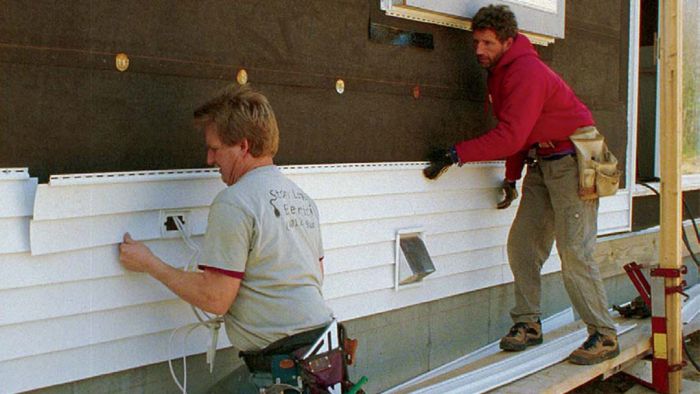
Installing energy-efficient vinyl siding offers numerous benefits for homeowners and the environment. Not only does it enhance the aesthetic appeal of the home, but it also provides significant advantages in terms of energy savings and durability.
Environmental Impact
Energy-efficient vinyl siding is a sustainable choice that helps reduce the carbon footprint of a home. By improving insulation and reducing energy consumption for heating and cooling, this type of siding contributes to lower overall energy use and greenhouse gas emissions.
Energy Cost Reduction
One of the key benefits of energy-efficient vinyl siding is its ability to lower energy costs for homeowners. The improved insulation properties help regulate indoor temperatures, reducing the need for constant heating or cooling. This translates to substantial savings on utility bills over time.
Durability Comparison
Compared to traditional siding materials, energy-efficient vinyl siding is known for its exceptional durability and low maintenance requirements. It can withstand harsh weather conditions, resist fading, and is less prone to damage from pests or rot. This longevity ensures that homeowners can enjoy the benefits of energy efficiency for many years to come.
Choosing the Right Energy Efficient Vinyl Siding
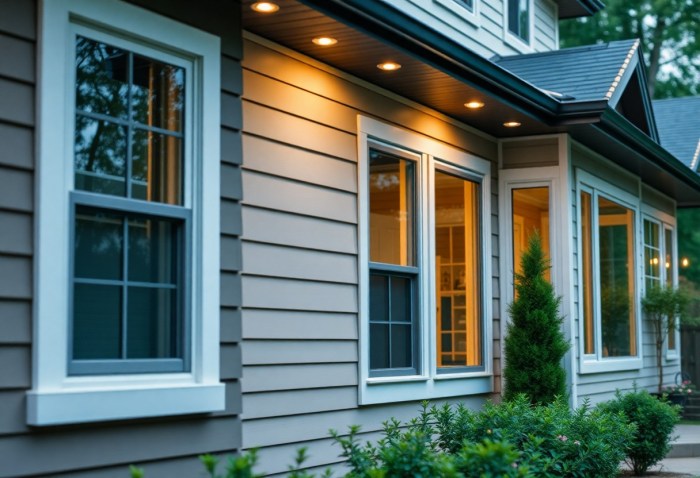
When selecting energy-efficient vinyl siding for your home, there are several key factors to consider to ensure you get the best option that fits your needs and budget. One of the most important aspects to look at is the insulation properties of the vinyl siding, as this plays a crucial role in the overall energy efficiency of your home.
Styles and Colors Available
Energy-efficient vinyl siding comes in a wide range of styles and colors to suit different architectural designs and personal preferences. Whether you prefer a traditional look or a more modern aesthetic, there are options available to complement your home's exterior.
From classic lap siding to decorative shakes and scallops, you can choose the style that best suits your taste.
Insulation Properties
The insulation properties of energy-efficient vinyl siding help to reduce heat transfer through the walls of your home, keeping it cooler in the summer and warmer in the winter. This can lead to significant energy savings by reducing the need for heating and cooling, ultimately lowering your utility bills.
Look for vinyl siding with a high R-value, which indicates better insulation performance.
Installation Process of Energy Efficient Vinyl Siding
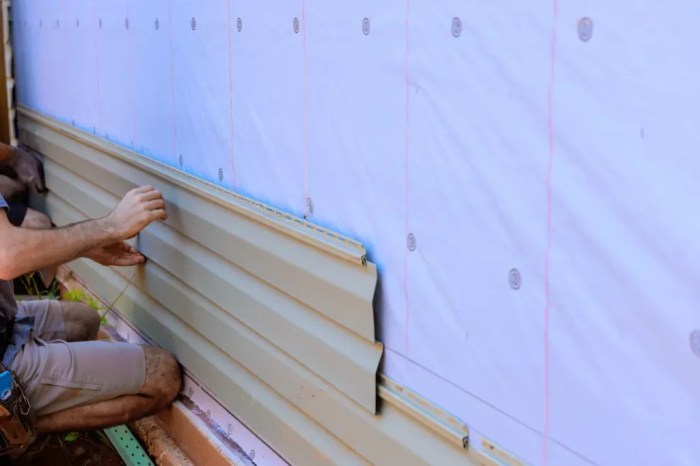
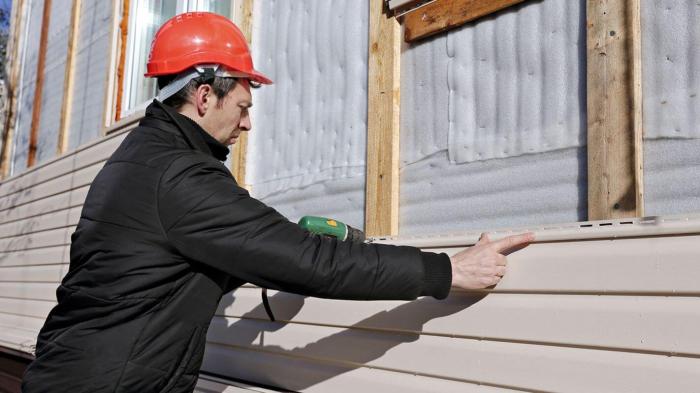
Installing energy-efficient vinyl siding involves several steps to ensure a proper and efficient installation that maximizes the benefits of this siding material.
Preparing the House for Energy-Efficient Vinyl Siding Installation
- Inspect the exterior of the house for any damage or issues that need to be repaired before installing the siding.
- Clean the existing siding or exterior surface to remove dirt, debris, and any mold or mildew that could affect the new siding installation.
- Measure the dimensions of the house accurately to determine the amount of siding needed.
- Apply a weather-resistant barrier or house wrap to provide additional protection against moisture and improve energy efficiency.
Tips for Ensuring Proper Installation
- Follow manufacturer's instructions and guidelines for installation to ensure the warranty remains valid and the siding performs optimally.
- Use the right tools and equipment for the installation process to achieve a professional finish and avoid damage to the siding.
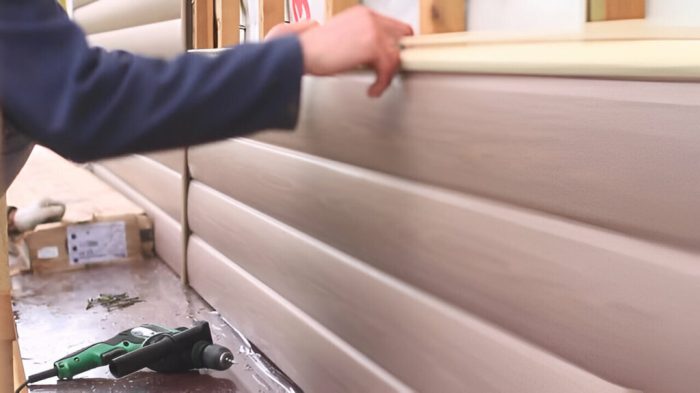
- Pay attention to details such as overlap and alignment to create a seamless look and optimize energy efficiency.
- Consider hiring professional installers with experience in energy-efficient vinyl siding installation for a flawless finish and peace of mind.
Professional Installers vs. DIY Installation
- Professional installers have the expertise and experience to handle the installation process efficiently and effectively, ensuring a high-quality finish.
- DIY installation can be cost-effective, but it requires careful attention to detail and proper techniques to achieve the desired results.
- Consider the complexity of the project, your skill level, and the time available before deciding between professional installers and DIY installation.
- Consult with professionals if you are unsure about the installation process or need guidance on the best approach for your specific home.
Maintenance and Care of Energy Efficient Vinyl Siding
Proper maintenance is essential to ensure that your energy-efficient vinyl siding remains in top condition, providing you with maximum efficiency and longevity. By following a regular maintenance schedule and knowing how to address common issues, you can keep your siding looking great and functioning optimally for years to come.
Maintenance Schedule
- Inspect your siding at least once a year for any signs of damage, such as cracks, warping, or discoloration.
- Clean your siding twice a year using a mixture of mild soap and water, along with a soft brush or cloth to remove dirt and grime.
- Trim any vegetation near the siding to prevent damage and ensure proper airflow.
- Check the caulking around windows and doors to maintain a tight seal and prevent air leaks.
- Consider applying a fresh coat of paint every 5-10 years to protect the siding from UV rays and weather damage.
Proper Cleaning Techniques
- Start by rinsing the siding with a garden hose to remove loose debris.
- Prepare a cleaning solution using mild soap and water, applying it to the siding with a soft brush or cloth.
- Rinse the siding thoroughly with clean water to remove any soap residue.
- Avoid using harsh chemicals or abrasive tools that can damage the siding's surface.
- For stubborn stains, consider using a specialized vinyl siding cleaner as recommended by the manufacturer.
Common Issues and Solutions
- Cracking:If you notice any cracks in the siding, repair them promptly using a vinyl siding patch kit to prevent water infiltration.
- Warping:Warped siding can be caused by heat exposure or improper installation. Consider replacing the affected panels to maintain the siding's integrity.
- Mold and Mildew:Clean mold and mildew with a mixture of water and vinegar, or a commercial cleaner designed for vinyl siding.
- Fading:To restore faded siding, consider applying a vinyl siding restorer to rejuvenate the color and protect against UV damage.
- Pest Infestation:Seal any gaps or openings in the siding to prevent pests from nesting behind the panels.
Closing Summary
In conclusion, energy efficient vinyl siding installation offers a myriad of benefits, from reducing energy costs to enhancing the curb appeal of your home. By following the guidelines Artikeld in this guide, you can embark on a journey towards a more sustainable and efficient living space.
Question Bank
What is the environmental impact of energy-efficient vinyl siding?
Energy-efficient vinyl siding helps reduce energy consumption, leading to lower greenhouse gas emissions and a smaller carbon footprint.
How can energy-efficient vinyl siding reduce energy costs for homeowners?
By providing better insulation and reducing heat loss, energy-efficient vinyl siding helps homeowners lower their heating and cooling bills.
What are some common issues with energy-efficient vinyl siding and how can they be addressed?
Common issues include warping or fading. These can be addressed by proper installation and regular maintenance.
Is DIY installation of energy-efficient vinyl siding recommended?
While some homeowners may choose to install it themselves, professional installers can ensure a proper and efficient installation.